
If you have ever admired the sturdy, no-nonsense sewing machines of the 1960s, you know they were built to last. Those vintage workhorses delivered consistent stitches without digital fuss, using metal gears and simple mechanics. Today, many sewists still crave that reliability and straightforward operation. Whether you are restoring a heirloom or starting fresh with a new machine that echoes the past, finding the best 1960 sewing machines means focusing on durability, ease of use, and timeless design. In this guide, we evaluate six models that capture that vintage spirit, from modern treadle machines to computerized options with classic functions. For more sewing inspiration, explore our Sewing & Embroidery collection.
Product Comparison

Pros
- Easy to use with automatic needle threader and drop-in bobbin.
- Wide range of 27 stitches including decorative and stretch options.
- Free arm for sewing cylindrical items like cuffs and sleeves.
- Lightweight and compact for portability and storage.
- Affordable price point with included accessories and solid warranty.
Cons
- Limited stitch count compared to advanced models (27 stitches).
- Some users may find tension adjustment requires practice.
- Designed for US voltage (120V) only, not suitable for international use without a converter.
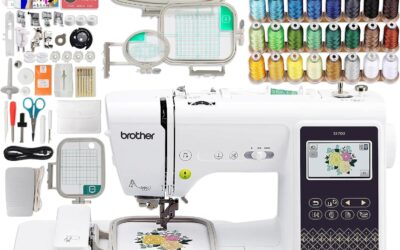
The Brother XM2701 sewing machine is a versatile and user-friendly option designed for a wide range of users from beginners learning to sew to experienced home sewers tackling alterations and quilting projects. With 27 built-in stitches including decorative, blind hem, and stretch stitches, it offers enough variety for most everyday sewing tasks without overwhelming newcomers.
One of its standout features is the automatic needle threader which easily pushes thread through the needle, saving time and frustration. The jam-resistant drop-in top bobbin and automatic winding system further simplify setup and operation. The machine also includes six quick-change sewing feet, making it easy to switch between buttonholes, zippers, and other tasks.
Design wise, the XM2701 is lightweight at 12.6 pounds and has a compact footprint, making it easy to move around or store. The built-in free arm is a practical addition for sewing cuffs, sleeves, and pant legs. The instructional DVD and manual help beginners get started quickly.
Potential drawbacks include a limited stitch library compared to more advanced models, and some users may experience a learning curve with tension adjustments. Also, it is designed for 120V US outlets only, so international users need a voltage converter. However, for the price, the feature set is impressive.
Overall, the Brother XM2701 is an excellent choice for anyone looking for a reliable, easy-to-use sewing machine for basic to intermediate projects. Its combination of automatic features, included accessories, and strong warranty support make it a top pick for beginners and home sewers alike.

Pros
- Extensive stitch library with 394 options for diverse projects
- Automatic wire cutter enhances efficiency and sewing experience
- Adjustable foot pressure for optimal control on various fabrics
- Includes 8 accessory legs and sliding table for better workspace
- High customer satisfaction reflected in 4.9-star rating
Cons
- Corded electric power source limits mobility compared to battery-operated models
- Relatively heavy at 7 kg, which may be less portable for some users
- Best sellers rank indicates it may be less popular than top-tier models
The Bernette B38 is a versatile sewing machine designed for sewists who crave creativity and efficiency. With 394 built-in stitches, including 67 decorative patterns and 8 buttonhole styles, it offers ample options for quilting, garment making, and home decor projects. This machine is ideal for intermediate to advanced users who need precision and variety in their work.
Standout features include an automatic wire cutter that trims threads at the touch of a button, saving time and reducing strain. The included 8 accessory legs and sliding table expand your workspace, making it easier to handle larger projects like quilts or drapery. The memory function for stitch combinations and three alphabets let you personalize your creations with monograms or repeated patterns.
Design and build quality are solid: the aluminum body keeps the machine lightweight at 7 kg while ensuring durability. Adjustable foot pressure provides control over different fabric thicknesses, from lightweight silk to heavy denim. The white finish is clean and professional, fitting well in any sewing room.
Potential drawbacks include the corded electric power source, which limits portability compared to battery-operated models. Some users may find the weight a bit heavy for frequent transport. Additionally, its best sellers rank suggests it may not be as widely recognized as some competitors, but customer reviews are stellar.
Overall, the Bernette B38 delivers exceptional value with its extensive stitch library, automatic cutter, and thoughtful accessories. It earns a strong recommendation for serious sewists who want a reliable, feature-packed machine without breaking the bank.

Pros
- No electricity needed, offering independence and quiet, motor-free operation.
- Simple mechanical controls are easy to understand and repair without specialized electronics knowledge.
- Able to handle heavy fabrics and multiple layers thanks to extra-high presser foot lift.
- Includes an extensive set of presser feet and accessories for various sewing tasks.
Cons
- Requires a separate treadle table (not included) for operation, adding to initial cost.
- No automatic stitch settings or computerized features, which may be a drawback for users accustomed to modern conveniences.
- Learning curve for coordinating foot motion and hand feeding, especially for those new to treadle sewing.
The Janome 712T is a treadle-powered sewing machine that brings a traditional, self-sufficient approach to sewing. It is designed for sewists who value independence from electricity, whether they live off-grid, want a backup for power outages, or simply enjoy the meditative rhythm of foot-powered stitching.
This machine offers 10 built-in stitches and a four-step buttonhole, covering essential sewing needs like garment construction, alterations, and mending. The stitching is smooth and consistent thanks to a 5-piece feed dog system and a top-loading full rotary hook bobbin. The manual tension control allows fine-tuning for different fabrics, giving the user direct control over each seam.
Build quality is typical of Janome's mechanical machines, with a metal interior and sturdy construction meant to last. The extra-high presser foot lift easily handles thick seams, and the drop feed capability opens up free-motion quilting. All controls are manual and straightforward, reducing points of potential failure compared to electronic models.
On the downside, the 712T requires a separate treadle table, which is not included and can be an additional expense. The lack of any automatic features means a learning curve, especially for those accustomed to modern computerized machines. Also, the treadle motion takes practice to master for even stitch speed.
Overall, the Janome 712T is a reliable, durable choice for anyone seeking a non-electric sewing solution. Its thoughtful mechanical design and essential stitch options make it a practical tool for everyday sewing, while the quiet, foot-powered operation offers a uniquely focused crafting experience.

Pros
- No power cord or batteries required, works anywhere.
- Quiet and calming operation compared to electric machines.
- Simple mechanics make it easy to repair and maintain.
- Affordable entry point into treadle sewing from a trusted brand.
Cons
- Plastic components may not be as durable as all-metal vintage machines.
- Limited stitch options; basic straight and zigzag stitches likely.
- Requires physical effort to keep the treadle moving consistently.
The Janome 712T Treadle Sewing Machine brings the timeless appeal of foot powered sewing to modern sewers. It is designed for those who appreciate simplicity, quiet operation, and self sufficiency. Whether you are a vintage sewing enthusiast, an off grid crafter, or simply want a backup machine for power outages, this model offers a genuine treadle experience.
Standout features include its manual treadle mechanism that eliminates the need for electricity. The machine runs smoothly with a steady foot motion, giving you complete control over stitch speed. Users report consistent performance for basic sewing tasks, and the low noise level is a major plus for late night projects. The Janome build quality ensures reliable stitching with minimal adjustments.
The machine features a plastic body in a classic purple and white finish. While plastic is lightweight and easy to move, it may not match the durability of all metal vintage treadle machines. The compact dimensions (7.1 x 14.6 x 11.4 inches) allow it to fit on smaller tables or be stored when not in use. The corded electric power source listed in specs is likely for optional accessories; the primary operation is manual via treadle.
A potential drawback is the limited stitch selection typical of basic treadle machines. Advanced sewers may find the lack of specialty stitches or automatic features restrictive. Additionally, maintaining consistent foot motion can be tiring during long sewing sessions. The plastic components may also raise concerns about long term wear compared to older cast iron models.
Overall, the Janome 712T is a solid choice for beginners interested in traditional sewing or anyone seeking a reliable, non electric machine. Its affordable price, quiet operation, and authentic treadle action make it a valuable addition to any sewing room. If you value simplicity and nostalgia over high tech features, this machine delivers exactly what it promises.
Brand: Janome
Model: 712T
Color: Purple, White
Material: Plastic
Power Source: Corded Electric (for optional accessories; primary operation is manual treadle)
Product Dimensions: 7.1 x 14.6 x 11.4 inches
ASIN: B00ARNWMGK
Category: Sewing Machine Attachments
Pros
- Quiet operation makes sewing more enjoyable.
- Simple setup and intuitive controls, perfect for beginners.
- Large selection of stitches and buttonhole styles.
- Durable metal frame provides stability for thick fabrics.
- Bright LED work area illuminates the sewing surface.
Cons
- Plastic components may feel less durable than all-metal machines.
- Automatic needle threader has a slight learning curve.
- Designed for 120V US outlets only, limiting international use.
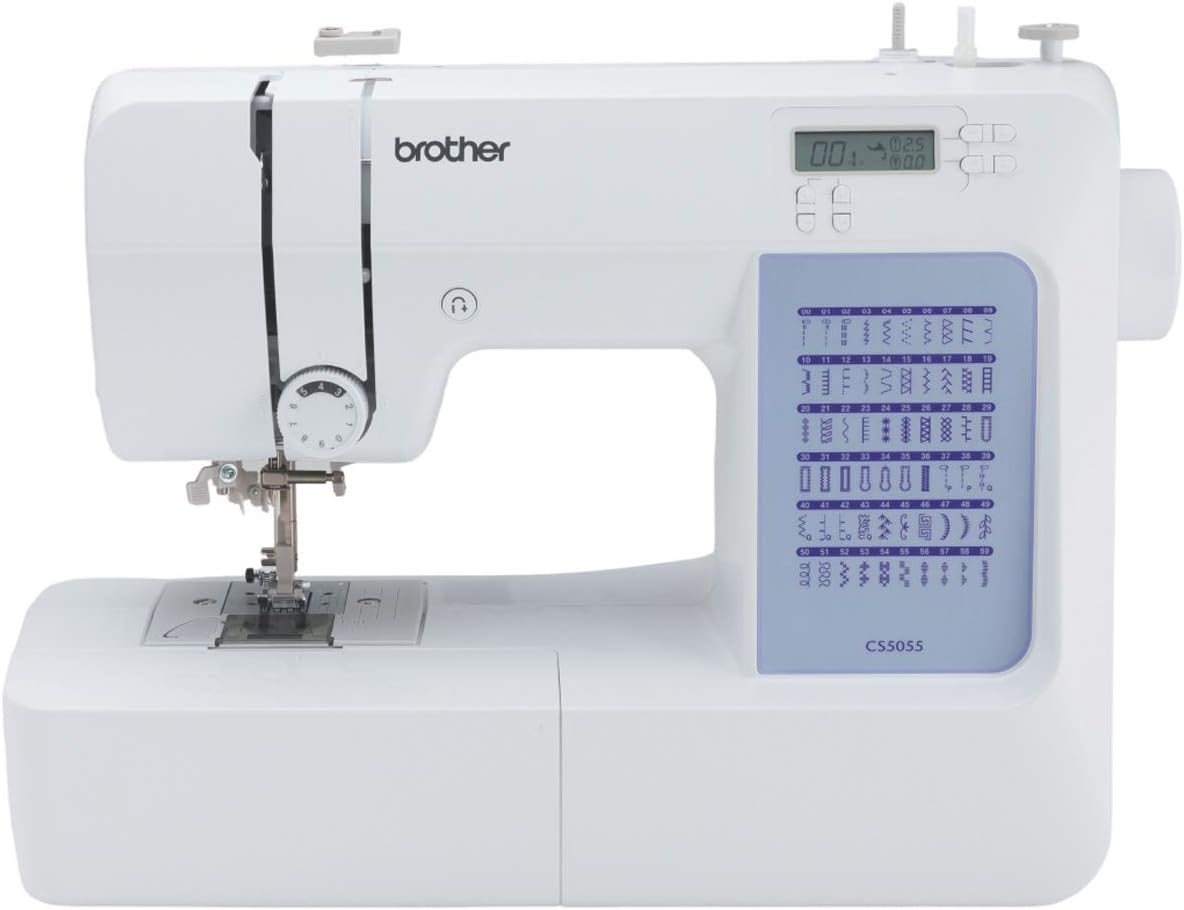
The Brother CS5055 is a computerized sewing machine that strikes an excellent balance between features and affordability. With 60 built-in stitches, an LCD display, and an automatic needle threader, it is designed to cater to beginners who want a user-friendly introduction to sewing as well as experienced hobbyists looking for reliable performance.
In real-world use, the machine handles a variety of fabrics smoothly, from lightweight cotton to heavy denim and tweed, thanks to its advanced feed system and metal frame. The 60 stitches include utility, decorative, and heirloom options plus seven one-step auto-size buttonholes, giving plenty of creative freedom. The fixed needle bar helps produce even, clean stitches, and the large needle-to-arm workspace accommodates bigger projects like quilts or home decor.
Build quality is a mixed bag. The metal frame provides solid stability, but many external parts are plastic, which some users note may not hold up as long as older all-metal machines. However, the machine is quiet and runs smoothly, and the bright LED light makes it easy to see your work. The automatic needle threader is a helpful time-saver, though it may take a few tries to master.
Drawbacks include the plastic construction and a learning curve for the threader, but these are minor compared to the overall value. The machine is intended for US 120V outlets only, so international buyers should be cautious. Additionally, the machine will not sew if the presser foot is up, which can be a safety feature but may frustrate those accustomed to older models.
Verdict: The Brother CS5055 is a fantastic choice for anyone starting their sewing journey or upgrading from a basic model. Its combination of ease of use, stitch variety, and solid performance at this price point makes it a top contender in the entry-level computerized sewing machine market.
Pros
- Wide variety of 70 stitches and 7 buttonhole styles suitable for diverse projects
- Large workspace and included wide table ideal for quilting and bulky items
- Sturdy metal frame and fixed needle bar ensure consistent stitch quality
- Comprehensive accessory kit saves money on additional purchases
- Easy-to-use automatic needle threader and jam-resistant bobbin system
Cons
- Designed for 120V US electrical systems only, limiting international use
- Weighs 14 pounds which may be heavy for some users to transport
- Advanced users may desire more stitch customization options than the preset 70 stitches
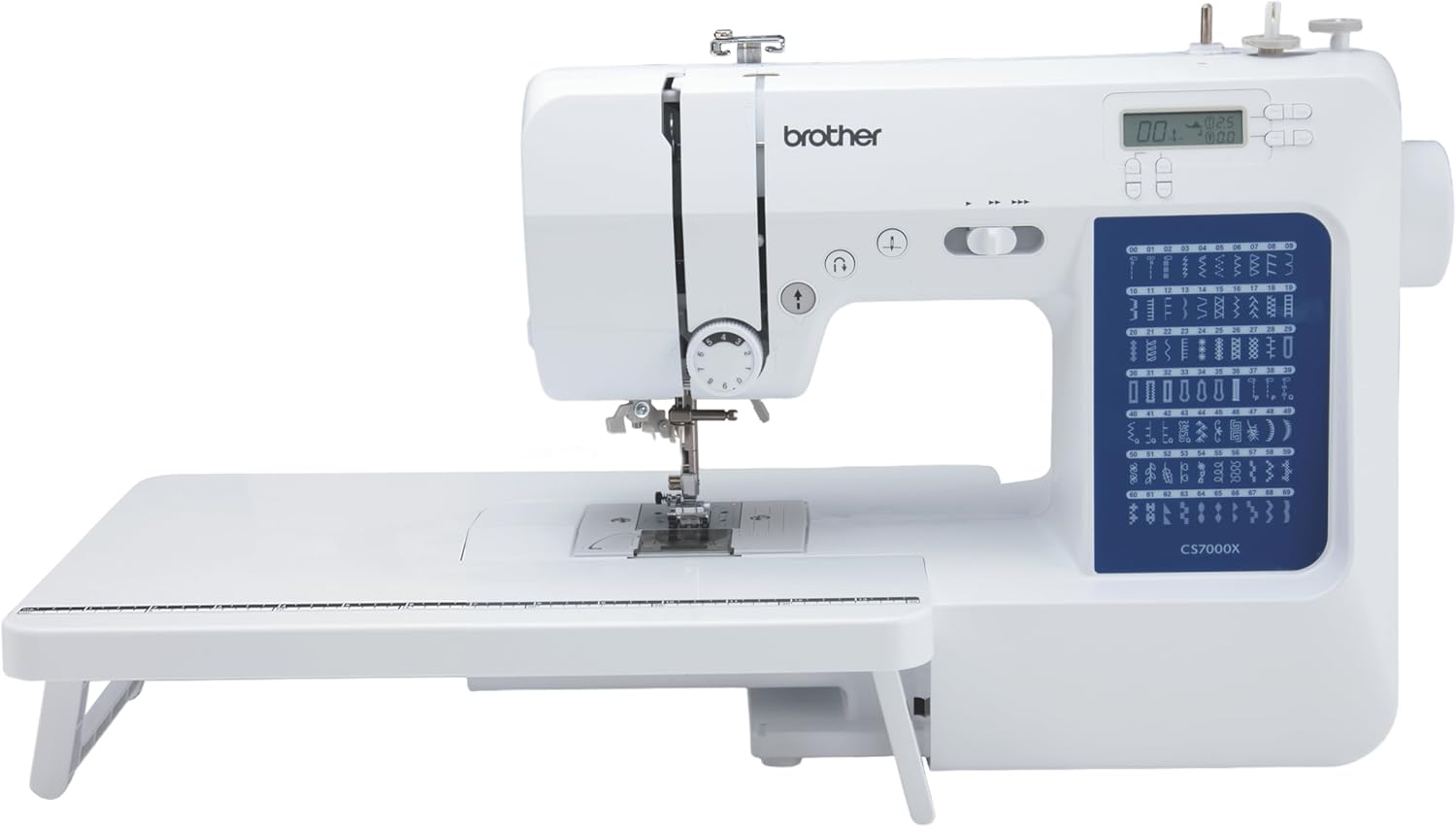
The Brother CS7000X is a computerized sewing and quilting machine that strikes an excellent balance between features and affordability. It is designed for both beginners stepping into the world of sewing and experienced hobbyists looking for a reliable secondary machine. With 70 built-in stitches and a host of included accessories, it offers great value right out of the box.
Standout features include the improved automatic needle threader, which works smoothly even on fine needles, and the LCD display that makes stitch selection simple. The large needle-to-arm workspace, combined with the detachable wide table, provides ample room for quilting and larger projects. The machine handles a variety of fabrics from lightweight silks to multiple layers of denim with consistent results, thanks to its metal frame and fixed needle bar that reduce vibration and skipped stitches.
The build quality is solid with a durable metal interior that gives the machine a reassuring heft. The free arm is compact enough for sewing cuffs and sleeves, and the drop-in bobbin system is truly jam-resistant. The included hard case, 10 presser feet, and quilt guide add significant value, making this a complete package for most home sewers.
One potential drawback is the machine's limitation to 120V US power, which means it cannot be used abroad without a voltage converter. Also, at 14 pounds, it is not the lightest for frequent travel, though the hard case helps. Some advanced users might find the stitch customization limited compared to higher-end models, but for the price, the CS7000X offers an impressive range.
Overall, the Brother CS7000X is a fantastic investment for anyone who wants a versatile, easy-to-use sewing and quilting machine without breaking the bank. Its combination of features, build quality, and included accessories makes it a top choice in its category.
Brand: Brother
Model: CS7000X
Stitches: 70 built-in (utility, decorative, heirloom, quilting) plus 7 one-step buttonholes
Display: LCD screen
Workspace: Large needle-to-arm area with detachable wide table
Frame: Metal construction
Needle Bar: Fixed for stability
Bobbin: Jam-resistant drop-in top bobbin
Included Accessories: 10 presser feet, quilt guide, hard protective case, wide table, trilingual manual
Weight: 14 pounds
Dimensions: 7 x 17 x 12 inches
Power: 120V, 60Hz (US only)
Warranty: 25-year limited with free lifetime phone and technical support
Buying Guide: What to Look For in a 1960s-Style Sewing Machine
Stitch Variety and Quality
A machine from the 1960s typically offered a limited set of basic stitches, but today’s best 1960 sewing machines blend that simplicity with modern convenience. For daily sewing, look for at least 10 to 20 essential stitches: straight, zigzag, blind hem, and a reliable buttonhole. The Bernette B38 offers 394 stitches, which is far beyond vintage specs, but its decorative and buttonhole options add creative freedom without complicating straight stitching. If you prefer a pure retro experience, the Janome 712t Treadle Sewing Machine provides 10 essential stitches and a four-step buttonhole, exactly what a 1960s machine would deliver.
Build Quality and Durability
The original 1960s machines were built with metal frames and heavy-duty gears. That legacy lives on in many modern machines. Metal frames ensure the machine stays stable during fast sewing and reduces vibration. The Brother CS7000X Sewing and Quilting Machine LCD features a durable metal frame and fixed needle bar, which improve stitch consistency. The Janome treadle machines are entirely mechanical with no plastic gears, mimicking the longevity of vintage models. For off-grid sewing, a treadle machine never fails, as our Home & Hobby section highlights.
Ease of Use and Maintenance
Vintage machines often required manual threading, tension adjustments, and bobbins that were fussy. Modern interpretations of the 1960s sewing machine streamline these tasks. Automatic needle threaders, drop-in bobbins, and simple stitch selection panels reduce frustration. The Brother Sewing Machine, XM2701 includes an automatic needle threader and jam‑resistant top bobbin, making it beginner-friendly. Meanwhile, the Janome treadle machines rely on manual tension control, giving you hands‑on precision similar to classic models. A clean sewing environment also extends machine life; consider using a quality furnace filter to keep dust and lint out of your sewing room.
Versatility for Projects
1960s sewists often worked on garments, home decor, and simple mending. Today’s best 1960 sewing machines expand that versatility with free arm capability, adjustable presser foot pressure, and feed dog drop for quilting. The Brother CS5055 Computerized Sewing Machine offers 60 stitches, a large workspace, and a fixed needle bar for even quilting. The Janome treadle machines have an extra‑high presser foot lift for heavy fabrics and drop feed for free‑motion work. Whether you need to hem curtains or quilt a throw, these machines handle it. For air quality in your sewing area, an efficient furnace filter like those reviewed in our comparison keeps the air clean, especially important when working with fibers.
Final Thoughts
After reviewing these six machines, we believe the best 1960 sewing machines are those that honor the past while offering reliable performance today. If you adore the quiet, rhythmic flow of manual sewing and want a machine that never depends on electricity, the Janome 712t Treadle Sewing Machine is a wonderful choice. For sewists who need abundant stitch options, easy threading, and a modern build that still feels solid, the Bernette B38 combines vintage aesthetics with contemporary features. Both machines will serve you faithfully for years, just like the classics did.
Frequently Asked Questions
What makes a sewing machine a “1960” style?
Machines labeled as 1960 style typically emphasize mechanical operation, metal construction, and a simple stitch selection without digital screens. They often feature a classic design with rounded curves and a heavy base, reminiscent of vintage models. Modern versions may include some computerized features but keep the durable build and straightforward controls.
Are treadle sewing machines better than electric ones?
Treadle machines offer independence from power outlets, quiet operation, and full manual control over speed. They are ideal for off‑grid living, eco‑conscious sewists, or anyone who enjoys a focused, rhythmic sewing experience. However, electric machines provide more stitch variety, automatic features, and ease of use for beginners. The best choice depends on your priorities.
Can I use a modern mechanical machine for heavy fabrics like denim?
Yes, many modern mechanical machines with metal frames and strong motors can handle denim and multiple layers. The Janome treadle machines, for example, have an extra‑high presser foot lift and powerful manual drive. Look for machines with adjustable presser foot pressure and a sturdy feed system. Our Sewing & Embroidery category has more details.
How do I maintain a treadle sewing machine?
Regular oiling of moving parts, cleaning lint from the bobbin area, and keeping the treadle belt tight are essential. Use sewing machine oil on metal gears and bearings, and wipe down the exterior with a dry cloth. Since there are no electronics, maintenance is simple and can extend the machine’s life for decades.
Write Your Review
No reviews yet. Be the first to share your experience!