
You have a stack of fabric waiting, a pattern you are eager to try, but your old mechanical machine keeps skipping stitches and tangling threads. It is time to upgrade to a computerized sewing machine that offers precision, versatility, and time-saving features. Whether you are a beginner looking to expand your skills or an experienced sewist tackling complex quilts and garments, the right computerized model can transform your creative process. In this guide, we review five top-rated computerized sewing machines from trusted brands like Janome, Brother, and Juki. We cover key features, performance, and value so you can make an informed decision. For more sewing inspiration, explore our Sewing & Embroidery category.

Pros
- Excellent value with many included accessories and feet.
- Easy to set up and thread, even for beginners.
- Smooth and quiet operation with consistent stitch quality.
- Large stitch library provides creative options.
- Lightweight and portable for taking to sewing groups.
Cons
- No automatic thread cutter or knotting feature at end of stitch.
- LCD display is basic and not touchscreen.
- Some users may find the plastic construction less durable than metal machines.
The Brother CS7205 is a computerized sewing machine designed for hobbyists and quilters who want a feature-rich yet affordable option. With 150 built-in stitches including an alphanumeric font for monogramming, it offers versatility for everyday sewing and creative projects.
Standout features include an automatic needle threader, jam-resistant drop-in bobbin, and a large back-lit LCD display for easy stitch selection. The included wide table and 11 sewing feet provide excellent value, allowing users to tackle quilting, heirloom stitching, and more right out of the box.
The machine is lightweight and portable, making it ideal for taking to classes or sewing events. Its plastic and metal construction feels sturdy enough for regular use, though it lacks the heft of higher-end models. The workspace is well-lit with a bright LED lamp.
Potential drawbacks include the absence of an automatic thread cutter and a knotting feature at the end of stitches, which some users may miss. The LCD is basic and not a touchscreen, but it is functional and easy to navigate.
Overall, the Brother CS7205 is a reliable and versatile machine that delivers great value for its price. It is highly recommended for beginners and intermediate sewers who want a wide range of stitches and accessories without breaking the bank.

Pros
- Crisp, even stitches across a wide range of fabrics, including denim and multiple layers.
- User-friendly interface with backlit LCD and one-touch stitch adjustment ideal for beginners and experienced sewers.
- Comes with a generous set of bonus accessories: extension table, hard cover, even feed foot, and quarter inch foot.
- Quiet operation and durable build quality praised in customer reviews for lasting many years with proper care.
- Free arm capability for sewing sleeves, cuffs, and other tight spaces by easily removing the front drawer.
Cons
- Maximum stitch width of 7mm may feel limiting for some decorative or heirloom stitching projects.
- A few users report that the machine can occasionally struggle with very thick or heavy materials like multiple layers of denim.
- The included instruction manual could be more detailed for advanced techniques, but online resources help fill the gap.
The Janome JW8100 is a versatile computerized sewing machine that appeals to both beginners and seasoned sewists. With 100 built-in stitches, 7 one-step buttonholes, and a comprehensive accessory bundle, it offers the power to tackle garments, quilts, home decor, and craft projects. Its blend of user-friendly features and robust construction makes it a strong contender in the mid-range sewing machine market.
In performance, the JW8100 delivers consistently smooth stitches. The 7-piece feed dog system moves fabric evenly, minimizing puckering on lightweight cottons and knits while handling layered materials like denim with ease. The start/stop button and speed control slider give you hands-free sewing control, which is especially helpful for long seams. Real-world reviews highlight its reliability; many users report years of trouble-free use with proper care.
Design and build quality are notable. The machine uses metal internal parts, contributing to its sturdy feel, yet it remains lightweight at 12 pounds. The backlit LCD screen and navigation buttons are intuitive, making stitch selection quick. Bonus accessories like the extra-wide extension table and even feed foot greatly simplify quilting and large projects. The hard cover keeps the machine dust-free, and the pin cushion attached to the machine is a thoughtful touch.
One potential drawback is the 7mm stitch width, which may limit some decorative stitching compared to wider machines. A few users mention that extremely thick multiple layers (e.g., heavy canvas) can sometimes cause the machine to slow or skip stitches, though this is uncommon. Additionally, the manual could be more detailed for advanced operations, but many find online tutorials sufficient.
Overall, the Janome JW8100 is an excellent investment for anyone seeking a feature-packed, durable sewing machine that grows with their skills. It’s ideal for quilters, garment makers, and hobby sewers who want precision, convenience, and a solid warranty. With its strong positive reviews and value-packed accessory bundle, it’s a top choice in its price range.

Pros
- Versatile 2-in-1 machine saves space and money compared to buying separate units.
- Wireless design transfer is quick and convenient, no USB hassle.
- Large touchscreen makes editing and selecting designs intuitive.
- Built-in stitches and designs cover a wide range of projects, from repairs to decorative sewing.
Cons
- Embroidery area is limited to 4x4 inches, which may be too small for larger projects.
- Some users report the touchscreen can be slow to respond at times.
- The included manual lacks detailed instructions for advanced embroidery techniques.
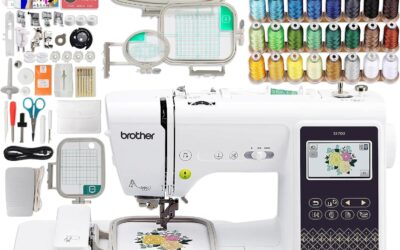
The Brother SE700 is a computerized sewing and embroidery combo machine designed for crafters who want to explore both sewing and embroidery without buying two separate machines. It is an excellent choice for beginners stepping into embroidery as well as intermediate sewists looking for a reliable upgrade.
With 135 built-in embroidery designs, 103 sewing stitches, and wireless LAN capability, the SE700 offers great creative freedom. The wireless feature works seamlessly with the Artspira app and Design Database Transfer software: you can send patterns from your phone or PC directly to the machine. The 3.7-inch color touchscreen allows you to edit, rotate, and preview designs on the fly.
Build quality is typical Brother: sturdy metal frame with durable plastic casing, weighing 15.6 pounds. The automatic needle threader and jam-resistant bobbin are time-savers. The included 8 sewing feet and 4x4 inch embroidery hoop cover most common projects like monogramming, patches, and home decor items.
One drawback is the 4x4 inch embroidery field, which can be limiting for larger designs without a larger hoop accessory. Also, the touchscreen can feel a bit laggy compared to higher-end models. The user manual could be more detailed for advanced embroidery techniques.
Overall, the Brother SE700 delivers excellent value for its price point. It is a versatile, user-friendly machine that grows with your skills. For anyone wanting a reliable sewing and embroidery combo with modern connectivity, the SE700 is a top recommendation.

Pros
- Extensive stitch library offers versatility for sewing, quilting, and embroidery
- Intuitive LCD interface simplifies stitch selection and customization
- Automatic needle threader and jam-resistant bobbin enhance ease of use
- Solid metal construction ensures long-lasting performance
- Comes with a comprehensive accessory kit and dust cover for protection
Cons
- Higher price point may not suit casual or budget-conscious sewists
- Relatively heavy at 30 pounds, making it less portable
- Some users may find the learning curve steep for advanced features
The Juki HZL-F600 Computerized Sewing and Quilting Machine is a powerful tool designed for sewists who demand precision and versatility. With 255 built-in stitches including basic, stretch, decorative, letters, and buttonhole options, this machine caters to a wide range of projects from garment construction to intricate quilting. It targets intermediate to advanced users, but beginners willing to invest time will also benefit from its capabilities.
Standout features include the user-friendly LCD screen that allows stitch selection at the push of a button, making it easy to visualize and customize your stitches. The automatic needle threader is a game-changer, reducing eye strain and frustration during setup. In real-world use, the machine handles multiple fabric layers smoothly, and the jam-resistant drop-in bobbin ensures uninterrupted sewing sessions.
Build quality is exceptional with a sturdy metal frame that provides stability even at high speeds. The machine weighs 30 pounds, which contributes to its durability but limits portability. The included accessory tray keeps essentials organized, and the soft-sided dust cover protects the machine when not in use. Overall, the HZL-F600 feels built to last.
Potential drawbacks include its premium price, which may deter casual sewists, and its weight can be a challenge for those with limited workspace. Additionally, the extensive feature set may require some time to master fully. However, these concerns are minor compared to the machine's overall performance and reliability.
In conclusion, the Juki HZL-F600 is an excellent investment for dedicated sewists and quilters who want a professional-grade machine. Its combination of stitch variety, ease of use, and robust construction makes it a standout choice in its category. If you are serious about your craft, this machine will not disappoint.
Brand: JUKI
Model: HZL-F600
Stitches: 255 built-in (basic, stretch, decorative, letters, buttonholes)
Display: LCD screen with push-button selection
Needle Threader: Automatic
Bobbin: Jam-resistant drop-in
Weight: 30 pounds
Dimensions: 0.04"D x 0.47"W x 0.31"H
Material: Metal frame
Power Source: AC
Color: White
Included Accessories: Various sewing feet, accessory tray, soft-sided dust cover

Pros
- Smooth and quiet operation, ideal for beginners and advanced users.
- Easy to use with intuitive controls, color-coded buttons, and automatic features.
- Sturdy metal frame provides stability and longevity.
- Variety of stitches including decorative fonts and buttonhole options.
- Auto thread cutter and needle threader save significant time.
Cons
- Does not include an extension table, which some users may want for larger projects.
- Lettering and monogram fonts are small (about 3/4 inch) and may be hard to read.
- Instructions for switching stitches and selecting the correct foot could be clearer.
The Juki HZL-HT740 is a computerized sewing machine designed for sewists who want advanced features without complexity. It targets beginners upgrading from basic models as well as experienced users seeking a reliable backup machine. With 116 stitch patterns and two fonts, it offers plenty of creative potential.
Standout features include the auto thread trimmer, which cuts both upper and lower threads at the touch of a button. This reduces waste and speeds up projects. The built-in needle threader and color-coded start/stop button make setup and operation effortless. In real-world use, the machine delivers consistent stitch quality and smooth fabric handling.
The build quality is impressive for the price. A heavy-duty metal frame and stainless steel bed plate ensure durability and a gliding surface for fabrics. LED lighting provides bright, cool illumination for detailed work. The free arm and 6.4-inch workspace accommodate garments, quilts, and tubular projects.
Potential drawbacks include the lack of an extension table and limited presser foot options out of the box. Some users find the lettering size too small for readable monograms. The manual could be more detailed regarding stitch selection and foot usage, but online resources can help bridge the gap.
Overall, the Juki HZL-HT740 offers exceptional value for its feature set. It combines convenience, durability, and versatility in a compact package. If you need a machine that handles everyday tasks with ease and some decorative flair, this is a solid choice.
Brand: JUKI
Model: HZL-HT740
Power Source: AC
Dimensions: 10 x 19 x 14 inches
Weight: Not specified
Stitch Patterns: 116 + 2 alphabetic/numeric fonts
Sewing Space: 6.4 inches needle to arm
Lighting: LED
Frame: Heavy-duty metal
Bed Plate: Stainless steel
Included Accessories: Standard presser foot, zipper foot, satin stitch foot, overcasting foot, blind hem foot, button sewing foot, buttonhole foot, power cord, foot control
Buying Guide: What to Look for in a Computerized Sewing Machine
Stitch Library and Versatility
A wide selection of built-in stitches gives you the freedom to tackle diverse projects. Look for a machine with at least 100 stitches, including utility stitches for everyday sewing, decorative stitches for embellishments, and one-step buttonholes. The Janome JW8100 Fully-Featured Computerized Sewing offers 100 stitches and 7 buttonhole styles, while the Brother CS7205 Computerized Machine provides 150 stitches including an alphanumeric font for monogramming. If you plan to embroider, consider a combo machine like the Brother SE700 Sewing and Embroidery Machine with 135 embroidery designs.
Ease of Use and Automation
Computerized machines should simplify your sewing experience. Features like an automatic needle threader, drop-in bobbin, and start/stop button reduce setup time and frustration. The Juki HZL-F600 Computerized Sewing and Quilting includes an automatic needle threader and an intuitive LCD screen. For advanced automation, the Juki HZL-HT740 Computerized Sewing Machine adds an auto thread trimming function that cuts both upper and lower threads at the press of a button. These conveniences let you focus on your project rather than on machine maintenance.
Quilting and Large Project Capabilities
If you love quilting or sewing larger items, check for an extension table, even feed foot, and a wide free arm. The Janome JW8100 comes with an extra-wide extension table and a quarter-inch quilting foot right out of the box. The Brother CS7205 includes a wide table and 11 sewing feet, making it easy to manage bulky layers. A machine with a heavy-duty metal frame, like the Juki HZL-HT740, ensures stability when sewing through multiple fabric layers. For tips on maintaining your sewing space, see our guide on top furnace filters for clean air.
Connectivity and Customization
Modern computerized machines offer wireless connectivity and mobile app support for design transfer and customization. The Brother SE700 features wireless LAN and the Artspira mobile app, allowing you to create and transfer embroidery patterns from your device. This is ideal for personalizing garments, bags, and home decor. If you prefer a more traditional approach, machines with USB ports let you import designs directly. Consider how much customization you need when choosing between models.
For more home hobby insights, visit our Home & Hobby section.
Final Thoughts
Choosing the best computerized sewing machine depends on your specific sewing goals. For a versatile, fully-featured machine that excels at both sewing and quilting, the Janome JW8100 Fully-Featured Computerized Sewing offers an impressive stitch library, extension table, and hard cover at a reasonable investment. If you want to combine sewing with embroidery in one machine, the Brother SE700 Sewing and Embroidery Machine delivers wireless design transfer, a touchscreen, and 135 built-in embroidery patterns. Both machines have earned strong user satisfaction and will serve you well for years to come.
Frequently Asked Questions
What is the difference between a computerized sewing machine and a mechanical one?
A computerized sewing machine uses a microprocessor to control stitch selection, speed, and other functions. This allows for more stitch patterns, automatic features like needle threading, and precise stitch regulation. Mechanical machines rely on dials and gears, offering fewer stitches and less automation. For most sewists, a computerized model saves time and reduces errors.
Can I use a computerized sewing machine for heavy fabrics like denim or leather?
Yes, many computerized machines can handle heavy fabrics if they have a strong motor and metal internal frame. Models like the Juki HZL-HT740 feature a heavy-duty metal frame and adjustable stitch length and width, making them suitable for denim and leather. Always use the correct needle and take your time when sewing thick layers.
How do I transfer embroidery designs to a Brother SE700?
The Brother SE700 supports wireless LAN transfer via the free Design Database Transfer software. You can also use the Artspira mobile app to create custom patterns on your phone and send them directly to the machine. Alternatively, connect via USB to import designs from your computer.
Are computerized sewing machines easy to learn for beginners?
Yes, most modern computerized machines are designed with beginners in mind. They include intuitive LCD screens, automatic needle threaders, and simple stitch selection. The Brother CS7205 and Janome JW8100 are especially beginner-friendly. For more tips, check our Sewing & Embroidery resources.
Write Your Review
No reviews yet. Be the first to share your experience!