

You roll out the dough with a hand crank after a long day, and your wrists ache before you even taste the fettuccine. We have all been there. If you love fresh pasta but hate the elbow grease, an electric pasta machine transforms your kitchen routine. This guide covers the best electric pasta machines for 2026, from automatic extruders to motorized rollers. Whether you are a busy parent or a weekend chef, these models save time without sacrificing quality. If you are also looking to improve indoor air quality while cooking, check out our guide on best 16x25x5 air filters.
Product Comparison

Pros
- Solid, heavy-duty construction that feels premium and lasts for years.
- Produces consistently thin, even pasta sheets with minimal effort.
- Wide range of pasta shapes possible with optional cutters.
- Simple to clean and maintain compared to electric models.
- Compact design stores easily in most kitchens.
Cons
- Requires manual cranking, which may be tiring for large batches.
- Accessories for additional pasta shapes are sold separately, adding cost.
- Not dishwasher safe; cleaning requires drying and brushing.
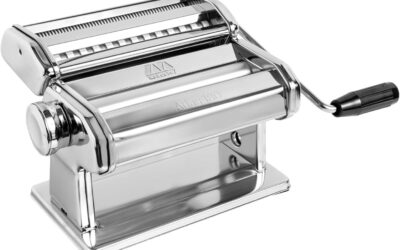
The MARCATO Atlas 150 Classic is a manual pasta maker that brings authentic Italian craftsmanship into your kitchen. Made entirely in Italy, this chrome steel machine is designed for home cooks who love fresh, handmade pasta without the complexity of electric models. With its classic hand crank and robust build, it's perfect for making lasagna sheets, fettuccine, and tagliolini right at home.
Standout features include 10 adjustable thickness settings ranging from 0.8mm to 4.8mm, allowing you to roll pasta sheets to your exact preference. The machine's chrome steel construction not only looks elegant but also withstands regular use. Users report smooth operation and consistent results, with the ability to produce restaurant-quality pasta with a bit of practice. The compatibility with the Pastadrive Motor offers an upgrade path for those who want occasional automation.
Design and build quality are exceptional: every detail, from the hand crank to the cutting rollers, feels solid and precise. The Atlas 150 is compact (8 inches in each dimension) and relatively lightweight at 2.6 kg, making it easy to store or move around. Cleaning is straightforward: let the dough residue dry for 30 minutes, then brush it off. However, it is not dishwasher safe, so hand cleaning is required.
Potential drawbacks include the manual effort needed for large batches and the fact that accessories for other pasta shapes, like ravioli or spaghetti, are sold separately. Some users find the crank handle a bit short, requiring a steady grip. Overall, these are minor trade-offs for a machine that delivers authentic pasta-making experience at a reasonable price.
Verdict: The MARCATO Atlas 150 Classic is a fantastic investment for pasta enthusiasts who value quality and tradition. It excels at producing uniform, thin pasta sheets and simple noodles, with the option to expand its capabilities. If you enjoy making fresh pasta from scratch and want a durable, manual machine that's built to last, this model is an excellent choice.

Pros
- Versatile: works both manually and electrically, giving you flexibility.
- Precise thickness control with 10 clearly marked settings.
- Durable construction, 100% made and assembled in Italy.
- Easy to maintain with self-cleaning resin scrapers.
- Wide compatibility with Marcato's pasta accessory line.
Cons
- Higher price point compared to manual-only pasta machines.
- Motor runs at a single speed, not adjustable.
- Not dishwasher safe; requires manual drying and brushing.
The MARCATO Atlasmotor is an electric pasta machine that combines the iconic Atlas 150 manual roller with a dedicated Pastadrive motor. It is designed for home cooks who want to make fresh pasta effortlessly, without the need to clamp the machine to a countertop. With both hands free, you can guide the dough smoothly through the rollers.
The motor provides a consistent speed that reduces processing time and personal effort. The 10-position adjustment knob lets you roll pasta sheets from thick to paper-thin, perfect for lasagna, fettuccine, or tagliolini. The anodized aluminum rollers create a slightly porous surface that helps sauces cling to the pasta.
Crafted entirely in Italy, the machine features a chrome steel body and durable aluminum rollers. The included hand crank and clamp allow manual use when desired, while the Pastadrive motor attaches seamlessly. The resin scrapers clean the rollers during operation, and after use, simply let it air dry for 30 minutes and brush off residue.
The main drawback is the price: at over three hundred dollars, it is a significant investment compared to manual-only models. Additionally, the motor runs at a single speed, which may not suit those who prefer variable speed control. The machine is not dishwasher safe, so cleaning requires a bit of patience.
Overall, the MARCATO Atlasmotor is a premium choice for pasta enthusiasts who value convenience and quality. Its Italian craftsmanship, versatility, and compatibility with many accessories make it a long-lasting addition to any kitchen. If you regularly make fresh pasta and want to speed up the process, this set is worth the investment.
Brand: MARCATO
Model: MCATMOT110VUL
Material: Alloy Steel, Aluminum
Color: Chrome
Dimensions: 13.39 x 8.27 x 7.19 inches
Weight: 9.5 pounds
Number of Thickness Settings: 10
Included Components: Atlas 150 pasta machine, hand crank, clamp, Pastadrive motor, manual
Warranty: 2-year against manufacturing defects
Country of Origin: Italy

Pros
- Fast pasta preparation: under 10 minutes from start to finish.
- Large capacity: up to 8 servings in one batch, great for gatherings.
- Versatile: not just pasta but also mixes dough for other recipes.
- Easy cleanup with non-stick and dishwasher-safe components.
- Comes with 8 discs for various pasta shapes, offering creative flexibility.
Cons
- Bulky and heavy at 20 pounds, requiring dedicated counter space.
- Price point may be high for occasional users or small households.
- Requires the HomeID app for full recipe guidance, which may not appeal to everyone.
The Philips 7000 Series Pasta Maker (model HR2660/03) is a powerful countertop appliance designed for home cooks who love fresh pasta but want to skip the manual rolling and cutting. With its ProExtrude technology and 150W motor, it promises homemade pasta in under 10 minutes, making it a time-saving option for busy families and pasta enthusiasts alike. The machine comes with 8 shaping discs, allowing you to create everything from thin spaghetti to wide pappardelle, and it can produce up to 8 portions in a single batch.
In real-world use, the pasta maker excels at delivering consistent, evenly extruded pasta with a pleasing texture. The Perfect Mixing Technology ensures the dough is properly kneaded before extrusion, reducing the risk of clogs or uneven shapes. Users have reported reliable performance and appreciate the ability to experiment with different flours and recipes, including gluten-free options guided by the HomeID app. The app provides step-by-step instructions and a library of recipes, which is helpful for beginners.
Design and build quality are solid, with a combination of metal and plastic components that feel durable. The non-stick surfaces and dishwasher-safe parts make cleanup much easier than traditional pasta machines. However, the unit is quite heavy at 20 pounds, so it's not easily moved around. It also takes up significant counter space, which could be a drawback in smaller kitchens.
One potential drawback is the reliance on the HomeID app for full recipe guidance; while the machine works independently, the app enhances the experience. Additionally, the price point of around $380 may be steep for those who only make pasta occasionally. However, for frequent pasta makers, the convenience and speed can justify the investment.
Overall, the Philips 7000 Series Pasta Maker is a well-engineered appliance that delivers on its promise of fresh pasta in minutes. It is best suited for families or individuals who enjoy homemade pasta regularly and value time savings and versatility. With its large capacity and easy cleanup, it earns a strong recommendation for anyone serious about pasta making at home.

Pros
- Compact and lightweight, ideal for small kitchens and easy storage.
- Adjustable thickness settings provide versatility for many pasta types.
- Powerful motor with reverse helps prevent dough jams.
- Metal gears and stainless steel blades enhance durability and cutting quality.
- Easy to clean with a quick wipe-down.
Cons
- Requires periodic 5-minute cool-down after 15 minutes of continuous use to avoid motor overheating.
- Dough must be properly hydrated and conditioned (3-4 passes through roller) for clean cuts, which may take some practice.
- Plastic outer housing feels less premium than all-metal alternatives, though it keeps the machine lightweight.
The GVODE Electric Pasta Maker is a 3-in-1 machine designed for home cooks who want fresh, homemade pasta without the physical effort of manual rolling. With a 700W motor, eight thickness settings, and attachments for spaghetti, fettuccine, and lasagna, it suits both beginners and experienced pasta enthusiasts looking to expand their culinary repertoire.
Performance is a standout feature. The motor offers two speeds plus a reverse function, which helps if the dough bunches or sticks. Users report smooth operation when the dough is properly hydrated (around 35% hydration) and run through the sheet roller three to four times on progressively thinner settings. The stainless steel blades then produce clean cuts, whether you are making delicate angel hair or wide fettuccine noodles.
Design and build quality emphasize convenience and space saving. The plastic housing keeps the entire unit around 8 lb., making it easy to lift from storage to countertop. Where it counts, the drive gears are metal to maintain alignment, and the smooth shell wipes clean in one pass. The motor cooling guide (15 minutes on, 5 minutes off) is clearly explained and essential for longevity.
Potential drawbacks include the need for the cool-down cycle, which can slow production when making large batches. Additionally, perfecting dough texture may require a few tries, and the plastic outer casing, while practical, does not have the heft of all-metal machines. However, these tradeoffs are reasonable given the price and compact size.
Verdict: For home cooks who value ease of use, storage efficiency, and reliable results from a budget-friendly electric pasta maker, the GVODE is an excellent choice. It delivers consistent pasta shapes with minimal cleanup and, with proper care, will serve well for years of Sunday sauce days and weeknight dinners.
Buying Guide: What to Look For in an Electric Pasta Machine
Motor Power and Durability
A strong motor makes kneading and extrusion effortless. Look for at least 150 watts for extruder machines and robust motors for roller models. GVODE’s 700W motor stands out for heavy use, but even lower wattage models work fine for occasional batches. Always check if the motor has an automatic shutoff to prevent overheating. For homes with dust concerns, pairing your machine with a high quality furnace filter helps keep flour particles from circulating.
Versatility and Attachments
An electric pasta machine should handle multiple shapes. The Philips 7000 comes with eight discs for spaghetti, penne, and more. The Marcato Atlasmotor works with 11 separate accessories for lasagna, fettuccine, and tagliolini. If you want a single machine that does it all, check the included cutting rollers. Some models also mix dough, making them a 2-in-1 appliance.
Ease of Cleaning
Fresh pasta dough sticks to surfaces. Look for non-stick coatings or dishwasher safe parts. The Marcato Atlas 150 manual has resin scrapers that clean during use. The Philips 7000 has dishwasher safe components. A quick wipe down after each use prevents dried dough from clogging the rollers. Remember to let metal parts dry completely to avoid rust. For extra airborne particles, consider a 16x20x4 furnace filter in your kitchen.
Build Quality and Materials
Stainless steel or chrome steel rollers last longer than plastic ones. The Marcato models are made in Italy with chrome plated steel. GVODE uses metal gears inside a lightweight plastic housing. Avoid machines that feel flimsy. A heavy base prevents sliding during operation. Look for adjustable thickness settings, at least 6 to 10 positions, so you can make everything from angel hair to thick lasagna sheets.
Final Thoughts
Choosing the best electric pasta machine depends on your cooking style. For those who want a versatile, automatic extruder that mixes and shapes, the Philips 7000 Series Pasta Maker delivers consistent results in under ten minutes. If you prefer the classic craftsmanship of an Italian roller but want the convenience of a motor, the MARCATO Made in Italy Atlasmotor 110V Electric offers the best of both worlds. Both machines produce restaurant quality pasta with minimal effort, so you can focus on sauces and family time.
Frequently Asked Questions
Can I use an electric pasta machine for gluten free dough?
Yes, many models handle gluten free blends. The Philips 7000 includes gluten free recipes in its app. For roller machines, ensure the dough is not too sticky; dust with rice flour. The GVODE machine works well with gluten free dough at lower thickness settings.
How do I clean an electric pasta machine?
Allow dough residue to dry for 30 minutes, then brush it off. Never wash the motor base or rollers under water. Use a dry brush or a slightly damp cloth. The Philips 7000 has dishwasher safe parts for easy cleanup. For roller machines like the Marcato, the resin scrapers naturally clean during use.
What is the difference between manual and electric pasta machines?
Manual machines require hand cranking for each pass. Electric machines automate the process, saving time and arm strain. The Marcato Atlasmotor is a manual machine with a motor attachment, giving you both options. Fully automatic extruders like the Philips 7000 mix and shape dough without any manual rolling. Consider your frequency of use and physical comfort when choosing.
How thick should I roll pasta for lasagna?
For lasagna sheets, aim for setting 5 or 6 on most machines (about 1.5mm). Thicker sheets hold up better under sauce. The GVODE machine has 8 thickness settings from 0.4mm to 2mm, so you can dial in the perfect thickness. Always roll the dough gradually through progressive settings for best texture.



Write Your Review
No reviews yet. Be the first to share your experience!