

Making shoes by hand or repairing them requires a sewing machine that can punch through layers of leather, heavy canvas, and thick synthetic materials without skipping a stitch. A standard home machine simply cannot handle the torque and feed needed for lasting seams or thick soles. Industrial-grade machines, on the other hand, offer the power, speed, and precision to turn your shoemaking projects into durable, professional-quality products. In this guide, we have evaluated five of the best industrial sewing machines for shoe making in 2026, focusing on features like walking foot mechanisms, motor strength, and stitch control that matter most for leather and heavy fabric work.
Whether you are a cobbler, a custom shoe designer, or a hobbyist looking to step up your game, the right machine will save you time and frustration. We have reviewed models from trusted brands such as Juki, SINGER, Consew, and VEVOR. For more insight into choosing the right equipment for your workspace, check out our guide on top furnace filters for clean air — a small but important consideration for keeping dust away from your sewing area.
Pros
- Incredible speed allows you to finish projects in half the time of domestic machines.
- Rock-solid aluminum build provides stability and near-zero vibration during high-speed sewing.
- Handles thick layers and heavy fabrics without skipping stitches, perfect for quilting and upholstery.
- Simple, no-frills design focuses on straight stitch performance, reducing complexity and maintenance.
- Large work area and drop feed dogs make free-motion quilting intuitive and comfortable.
Cons
- Weighs 38 pounds, making it less portable than typical home machines despite being called portable.
- Threading path is unique and may require watching tutorials or adjusting tension for optimal results.
- Limited to straight stitch only, so it is not suitable for decorative stitching or buttonholes.
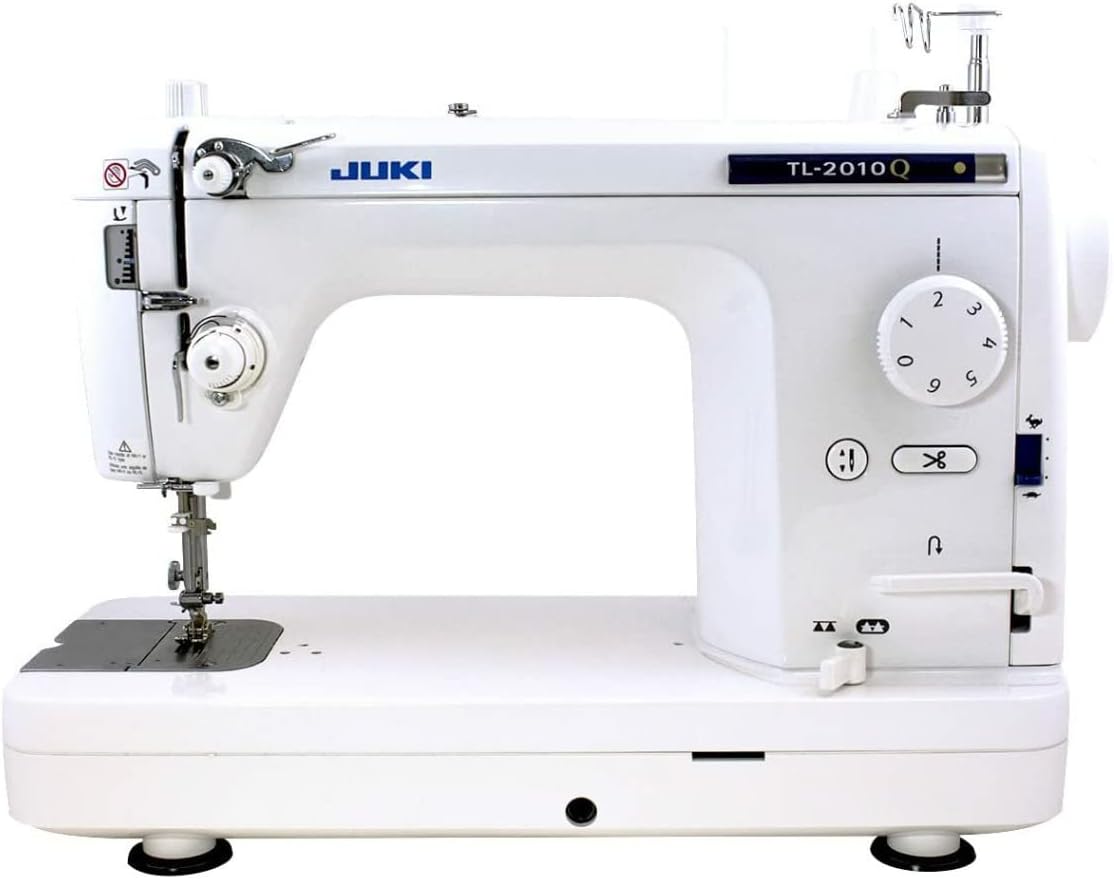
The Juki 2010Q is a semi-industrial straight stitch machine designed for serious quilters and sewists who demand speed and durability. It bridges the gap between heavy-duty home machines and full industrial models, offering professional-grade performance in a relatively compact package. Ideal for those who work with multiple layers, thick fabrics, or large quilts, this machine prioritizes reliability and efficiency over frills.
Standout features include the adjustable tension scale that accounts for thread weight as well as fabric thickness, ensuring balanced stitches. The automatic needle threader and bright LED light reduce fatigue, while the drop feed dogs allow instant switching to free-motion quilting. Users consistently praise its lightning-fast speed and ability to power through denim, vinyl, and layered quilts without hesitation.
Build quality is exceptional: the aluminum frame weighs 38 pounds, providing stability and minimal vibration even at top speed. The extra-large sewing bed supports bulky projects and reduces strain on your body. Despite its weight, the machine is designed to be portable for classes or retreats, though it is not as easy to carry as a lightweight domestic model.
A few drawbacks include the unique threading path that may require a learning curve, and the restriction to straight stitch only. Some users find the tension adjustment finicky at first. Additionally, the machine is heavy, so it is best suited for a dedicated sewing table rather than frequent transport.
Overall, the Juki 2010Q is a superb investment for anyone who values speed, durability, and precision in straight stitching. It earns high marks from experienced sewists and quilters, and its robust construction promises years of reliable service. If you need a no-nonsense workhorse that handles heavy fabrics with ease, this machine is an excellent choice.
Brand: JUKI
Model: TL-2010Q
Type: Semi-industrial single needle straight stitch
Color: Silver
Material: Aluminum frame
Power Source: Electric cord
Product Dimensions: 16" depth x 28" width x 17" height
Item Weight: 17.2 kg (38 lbs)
Lighting: LED
Needle Threader: Automatic
Feed Dogs: Drop feed (built-in lever)
Speed Control: Variable with low-speed option for heavy materials

Pros
- Powerful motor handles tough fabrics with ease
- Easy stitch selection via dial for quick changes
- Includes a comprehensive accessory kit with 9 presser feet and essential tools
- Lightweight yet sturdy design at 14.6 pounds
- Highly rated by over 11,000 customers for reliability and performance
Cons
- Plastic components on some parts may feel less premium
- Limited decorative stitch options compared to higher-end models
- Thread tension may require occasional adjustment for different fabrics
The SINGER 4432 Sterling Heavy Duty Sewing Machine is a robust workhorse designed for sewers who demand power and versatility. With 32 built-in stitches and 110 stitch applications, it excels at everything from basic repairs to intricate quilting and home decor. Its enhanced piercing power, 50% stronger than standard machines, makes it ideal for heavy fabrics like denim, canvas, and leather, yet it also handles delicate materials like silk with precision.
Standout features include an automatic needle threader and top drop-in bobbin that simplify setup, saving time and frustration. The 1-step buttonhole function is efficient and consistent. Real-world performance is impressive: the machine sews smoothly at 1100 stitches per minute, and the adjustable stitch length and width give you full creative control. The drop feed mechanism enables free-motion sewing for monogramming and quilting, expanding your project possibilities.
The machine sports a modern design with silver metallic accents and a full metal frame that ensures stability and durability. It weighs 14.6 pounds, making it portable enough for classes or sewing rooms. The included accessory kit adds value, with 9 presser feet, bobbins, needles, and a dust cover. Build quality is solid overall, though some plastic components may not feel as premium as all-metal alternatives.
Potential drawbacks include a learning curve for thread tension adjustments and a limited selection of decorative stitches compared to computerized models. Some users note that the plastic parts could be more robust, but the metal frame compensates for overall durability. These are minor trade-offs for the machine's exceptional power and reliability.
Verdict: The SINGER 4432 Sterling Heavy Duty is an outstanding choice for intermediate to advanced sewers who need a dependable machine for heavy fabrics and diverse projects. Its powerful motor, ease of use, and extensive stitch options make it a top performer in its class. Highly recommended for anyone seeking a durable, feature-rich sewing machine without the complexity of computerized models.

Pros
- Powerful motor handles heavy fabrics with ease.
- Quiet operation and smooth stitching.
- Easy to thread and set up; built-in needle threader saves time.
- Retro design adds aesthetic appeal to sewing space.
- Sturdy metal frame provides stability for high-speed sewing.
Cons
- Some users report issues with the one-step buttonhole function requiring adjustment.
- Warranty service can be inconvenient as the machine must be shipped for repairs.
- External body is plastic; only internal frame is metal, which may disappoint those expecting full metal construction.
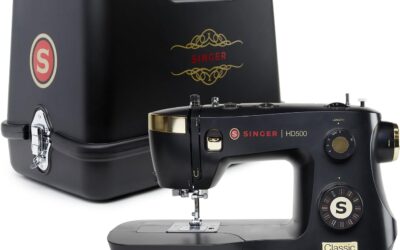
The SINGER Heavy Duty 500 Classic is a mechanical sewing machine that blends vintage aesthetics with modern functionality. It is designed for sewers who need a reliable workhorse for heavy fabrics like denim and canvas, as well as for everyday projects. Its straightforward controls make it suitable for intermediate users who prefer manual adjustments over computerized settings.
Standout features include a 50% more powerful motor that easily pierces multiple layers of thick fabric, as confirmed by user reviews praising its performance on denim hems and quilting. The built-in needle threader and one-step buttonhole simplify common tasks, while the adjustable stitch length, width, and needle position offer customization for various techniques. In real-world use, the machine runs quietly and delivers consistent stitches even at top speed.
Design wise, the HD500 Classic sports a retro look with a black and gold finish, but the body is plastic over a full metal frame. The metal internal frame provides the necessary stability for heavy-duty sewing, and at 13.7 pounds, the machine stays firmly in place. The free arm and drop feed add versatility for sleeves, cuffs, and free-motion work.
Potential drawbacks include occasional reports of the buttonhole function needing adjustment out of the box, and warranty repairs requiring the user to ship the machine. Some users note that the plastic exterior feels less premium than all-metal models, though it does not affect performance. Despite these points, the machine is praised for its reliability and ease of use.
Overall, the SINGER Heavy Duty 500 Classic is an excellent choice for sewers who value power and simplicity. It handles demanding fabrics with ease while offering enough adjustability for creative projects. For its price and included accessories, it delivers strong value for intermediate hobbyists and those looking for a durable mechanical machine.
Brand: SINGER
Model: HD500 Classic
Stitches: 32 built-in, 110 total stitch applications including one-step buttonhole
Features: Auto needle threader, adjustable stitch length/width, adjustable needle position (3 positions), drop feed, top drop-in bobbin, LED light
Frame: Full metal internal frame
Weight: 13.7 pounds
Dimensions: 17.8 x 7.8 x 11 inches
Warranty: 25 years limited on machine, 2 years on motor, 90 days on labor
Included: 5 presser feet (all-purpose, zipper, buttonhole, blind hem, satin stitch), 4 bobbins, spool holders, seam ripper, screwdriver, needles, soft cover
Pros
- Outstanding reliability and build quality, proven by years of use in professional shops.
- Versatile compound feed prevents slipping and puckering on difficult materials.
- Adjustable stitch length and foot lift handle a wide range of fabric thicknesses.
- Comes with servo motor for quiet, energy-efficient operation with speed control.
- Supportive customer service and availability of instructional videos aid setup and use.
Cons
- Assembly requires time and mechanical aptitude; no printed instructions included in the package.
- Heavy weight (200 lbs) makes it less portable; requires a dedicated workspace.
- Initial threading and adjustment can be tricky for beginners without prior industrial machine experience.
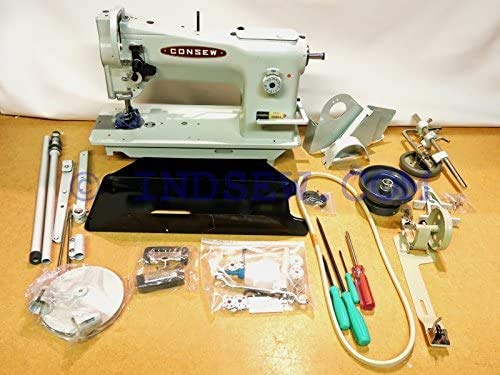
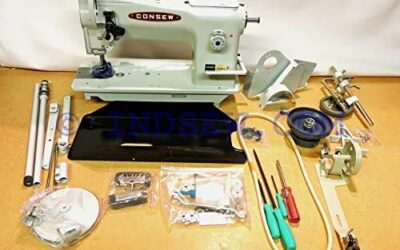
The CONSEW 206RB-5 is a walking foot industrial sewing machine designed for heavy-duty materials such as leather, upholstery, canvas, and outdoor fabrics. It is the go-to choice for professionals in automotive, marine, furniture, and custom sewing shops.
Its triple feed (walking foot) mechanism synchronizes the needle, presser foot, and feed dog to move thick layers evenly without shifting. Users praise its ability to stitch through multiple layers of denim or heavy vinyl with precision. The adjustable stitch length up to 10mm and high foot lift allow bulky seams to pass smoothly.
The machine is built on a robust industrial frame and paired with a servo motor that operates quietly and efficiently. The included table and stand provide a sturdy workstation, though assembly is required and may take a few hours. The manufacturer offers online videos to guide setup.
Some users note the lack of printed instructions as a frustration, and the machine's weight makes it a permanent fixture. Beginners may need extra time to learn threading and tension adjustments. However, the seller in many cases provides helpful phone support.
For serious DIY enthusiasts and professionals tackling tough sewing projects, the CONSEW 206RB-5 delivers unmatched reliability and performance. It is a worthwhile investment for anyone needing a heavy-duty machine that can handle demanding work day after day.

Pros
- Handles thick and heavy materials that domestic machines cannot manage
- Quiet operation (under 80 dB) for an industrial machine
- Precise stitch control with LCD display and fine needle positioning
- Compatible with Juki DDL 5500 parts for easy maintenance and upgrades
- Includes sturdy table, storage drawer, and oil window for convenience
Cons
- Assembly can be challenging with vague instructions; may require YouTube videos
- Some units arrive with cosmetic damage or defects, leading to returns
- Heavy and bulky (130 pounds) requires dedicated space and two people to set up
The VEVOR Industrial Lockstitch Sewing Machine is a workhorse designed for commercial and serious home sewers who need to tackle heavy fabrics like denim, leather, canvas, and multiple layers. With a 550W servo motor and a top speed of 5000 stitches per minute, it delivers the power and speed required for demanding projects such as upholstery, automotive interiors, tents, and outdoor gear.
One standout feature is the LCD control panel, which allows precise adjustments to sewing speed, needle up/down position, and soft start. This level of control helps you achieve consistent, professional-quality stitches even on tricky materials. The knee lifter (0.5-inch lift) frees both hands to guide fabric smoothly, while the one-touch reverse stitching simplifies backtacking. Users report that the machine runs smoothly and quietly for an industrial model, with noise levels kept under 80 dB.
Build quality is solid: a metal frame with auto lubrication supports long-term use, and the included heavy-duty table is adjustable in height for ergonomic comfort. The machine also features an LED light for clear visibility and a storage drawer for accessories. However, assembly can be frustrating due to vague instructions, and some buyers have received units with minor damage or defects. The machine is heavy (130 pounds), so plan for a dedicated workspace and assistance during setup.
Performance-wise, it easily sews through thick materials that would stall a domestic machine. One reviewer noted it could stitch through 1/4-inch plywood (figuratively) and praised its compatibility with Juki DDL 5500 parts, making repairs and upgrades straightforward. The main drawbacks are the occasional quality control issues and the steep learning curve for first-time industrial machine users.
Overall, the VEVOR Industrial Lockstitch Sewing Machine offers exceptional value for its price point. It is a reliable choice for anyone who needs industrial-grade straight stitching without breaking the bank. If you are prepared for assembly challenges and potential minor defects, this machine will reward you with powerful, precise performance for years to come.
Buying Guide: What to Look for in an Industrial Sewing Machine for Shoe Making
Walking Foot or Compound Feed Mechanism
For shoe making, a walking foot system is almost essential. This mechanism moves the upper and lower feed dogs together, gripping multiple layers of leather or heavy fabric and preventing them from shifting during stitching. Machines like the Consew 206RB-5 feature a triple feed walking foot, which makes it a top choice for stitching thick sole materials and curved seams on shoes. Without this feature, you risk puckered seams and uneven layers.
Motor Power and Speed Control
Industrial machines typically have much stronger motors than home models. A servo motor, as seen on the VEVOR Industrial Lockstitch, offers quiet operation and precise speed control down to very low stitches per minute. This is critical when navigating tight curves or thick junctions on a shoe upper. Look for machines with at least 500 to 750 watts of motor power if you will be sewing multiple layers of leather regularly.
Maximum Stitch Length and Needle System
Shoe construction often requires longer stitches for basting or decorative work, as well as heavy needles that can penetrate thick leather. A machine like the Juki 2010Q offers adjustable stitch length up to 5 mm, while the Consew 206RB-5 can go up to 10 mm. Also check the needle system: a standard industrial needle (e.g., 134 or 135×17) is easier to find in heavy sizes. For more on keeping your workspace clean, see our filtrete 16x20x1 air filter review.
Build Quality and Long-Term Reliability
An industrial sewing machine for shoe making will be used for hours on end. Look for a full metal frame and internal oil lubrication system. The SINGER Heavy Duty 500 Classic has a die-cast metal frame, while the Juki TL-2010Q uses aluminum alloy that reduces vibration. A sturdy frame keeps the needle aligned and reduces maintenance. For a reliable all-around option, the best furnace filters might not relate to sewing, but a clean environment does protect your machine from dust.
Final Thoughts
Selecting the right industrial sewing machine for your shoe making projects ultimately depends on the materials you work with most. For heavy leather and professional-level durability, the Consew 206RB-5 Walking Foot Industrial Sewing Machine stands out with its compound feed and high lift capacity. If you need a versatile machine that can also handle quilting and lighter tasks, the Juki 2010Q offers excellent stitch quality and speed control. Both machines are built to last and will give you many years of reliable service.
Frequently Asked Questions
Can I use a regular sewing machine for shoe making?
Standard home sewing machines usually lack the power and feeding system to handle the thick leather and multiple layers required in shoe making. An industrial or heavy duty model with a walking foot is recommended for consistent results and to avoid damaging the machine.
What is the best stitch length for sewing shoe uppers?
For most shoe components, a stitch length between 3 and 5 mm works well. For thicker sole attachments, longer stitches may be needed. Machines like the Consew 206RB-5 offer adjustable stitch length up to 10 mm, giving you flexibility for different steps.
Do I need a servo motor for shoe making?
A servo motor provides quieter operation, better energy efficiency, and precise low speed control compared to a clutch motor. This is especially helpful when maneuvering intricate curves on a shoe. Both the VEVOR Industrial Lockstitch and the Consew 206RB-5 come with servo motors.
How much maintenance does an industrial sewing machine require?
Regular cleaning of lint, oiling the moving parts, and periodic belt adjustments are the main tasks. Many industrial machines have auto-lubrication systems that simplify upkeep. For a deeper look at maintaining your equipment, read our review on top furnace filters to keep your workspace dust free.
Write Your Review
No reviews yet. Be the first to share your experience!