

You have a leather vest that needs some personality, and you are ready to sew on patches that show off your style. But not every sewing machine can handle the thickness of leather combined with the stiffness of embroidered patches. The wrong machine will skip stitches, break needles, or simply refuse to feed the material. This guide covers the best sewing machines to sew patches on leather vests in 2026, whether you are a beginner customizing a single vest or a pro running a small workshop.
We have reviewed four machines that range from heavy-duty home models to industrial workhorses. Each one has been evaluated for piercing power, stitch consistency, and ease of use on leather. For more on selecting the right equipment for your projects, check out our sewing and embroidery category page.

Pros
- Exceptional power for heavy fabrics
- High-speed stitching boosts productivity
- Sturdy metal frame for stability
- Easy-to-use top bobbin system
- Great value for the price
Cons
- Plastic exterior may feel less premium than all-metal machines
- Some users report learning curve with threading
- Limited to 11 built-in stitches (though 69 applications)
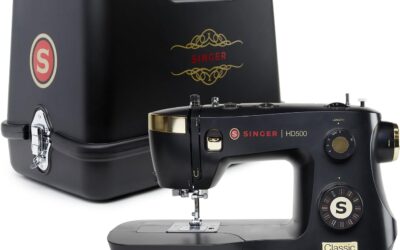
The SINGER 4411 Heavy Duty Sewing Machine is a powerful, affordable option designed for sewers who frequently work with thick materials like denim and canvas. It is also suitable for beginners thanks to its straightforward operation and included accessories.
Its heavy-duty motor delivers 50% more power than standard machines, enabling it to sew through multiple layers with ease. The high-speed stitching of up to 1,100 stitches per minute significantly reduces project time. Users consistently praise its ability to handle tough fabrics without skipping stitches.
The machine features a robust metal interior frame that ensures stability and longevity, while the stainless steel bed plate allows smooth fabric flow. The top drop-in bobbin system with clear cover is convenient for monitoring thread supply. However, the exterior uses plastic, which may not feel as durable as all-metal machines.
Some users note that the threading instructions can be confusing initially, and the machine includes only 11 basic stitches, though with varied applications. The limited stitch count may disappoint those wanting many decorative options. Additionally, the plastic components could be a concern for long-term heavy use.
Overall, the SINGER 4411 Heavy Duty Sewing Machine offers exceptional value for sewers needing a reliable workhorse for heavy fabrics. With its powerful motor, fast speed, and user-friendly features, it is a top choice for both beginners and experienced sewers on a budget.

Pros
- Powerful motor easily handles thick fabrics like denim, canvas, and multiple layers.
- Versatile stitch selection with 32 built-in stitches and 110 applications for various projects.
- Durable all-metal frame provides stability and longevity.
- Comprehensive accessory kit included, saving money on separate purchases.
- Built-in needle threader and top drop-in bobbin make setup and operation beginner-friendly.
Cons
- Some users report that the machine may struggle with extremely thick or heavy materials over time.
- The quilting guide bar can be difficult to adjust or use effectively.
- A few reviews mention durability concerns after several years of heavy use, requiring repairs.
The SINGER 4452 Heavy Duty Sewing Machine is designed for sewists who need a reliable, powerful machine for tough fabrics. Whether you are a beginner or an experienced crafter, this model excels at handling denim, canvas, and multiple layers with ease. It is a popular choice for those who want to create garments, home decor, or upcycle heavy materials.
Standout features include the enhanced motor that provides 50% more piercing power and a sewing speed of 1100 stitches per minute. The 32 built-in stitches unlock 110 stitch applications, giving you flexibility for basic repairs, decorative edges, and buttonholes. Real-world performance is strong, as evidenced by user reviews that praise its ability to sew through four layers of webbing or thick denim without issues, though some note the stock needle may bend on very tough materials.
The machine boasts a full metal frame for durability and stability during high-speed sewing. The top drop-in bobbin with a clear cover allows easy thread monitoring, and the built-in needle threader simplifies setup. The included accessory kit is generous, featuring six presser feet, a clearance plate, and heavy duty needles, adding significant value.
Potential drawbacks include occasional difficulty with the quilting guide bar and reports from some users that the machine may not hold up for extremely heavy commercial use over several years. One reviewer mentioned needing a $300 repair after four years, though many others report long-term satisfaction. The machine is best suited for home sewing and moderate heavy duty projects.
Overall, the SINGER 4452 is a solid investment for anyone needing a heavy duty sewing machine at a reasonable price. Its combination of power, stitch versatility, and included accessories makes it a top seller in its category. For most hobbyists and DIY enthusiasts, it delivers excellent performance and reliability.

Pros
- Handles thick and heavy materials that domestic machines cannot manage
- Quiet operation (under 80 dB) for an industrial machine
- Precise stitch control with LCD display and fine needle positioning
- Compatible with Juki DDL 5500 parts for easy maintenance and upgrades
- Includes sturdy table, storage drawer, and oil window for convenience
Cons
- Assembly can be challenging with vague instructions; may require YouTube videos
- Some units arrive with cosmetic damage or defects, leading to returns
- Heavy and bulky (130 pounds) requires dedicated space and two people to set up
The VEVOR Industrial Lockstitch Sewing Machine is a workhorse designed for commercial and serious home sewers who need to tackle heavy fabrics like denim, leather, canvas, and multiple layers. With a 550W servo motor and a top speed of 5000 stitches per minute, it delivers the power and speed required for demanding projects such as upholstery, automotive interiors, tents, and outdoor gear.
One standout feature is the LCD control panel, which allows precise adjustments to sewing speed, needle up/down position, and soft start. This level of control helps you achieve consistent, professional-quality stitches even on tricky materials. The knee lifter (0.5-inch lift) frees both hands to guide fabric smoothly, while the one-touch reverse stitching simplifies backtacking. Users report that the machine runs smoothly and quietly for an industrial model, with noise levels kept under 80 dB.
Build quality is solid: a metal frame with auto lubrication supports long-term use, and the included heavy-duty table is adjustable in height for ergonomic comfort. The machine also features an LED light for clear visibility and a storage drawer for accessories. However, assembly can be frustrating due to vague instructions, and some buyers have received units with minor damage or defects. The machine is heavy (130 pounds), so plan for a dedicated workspace and assistance during setup.
Performance-wise, it easily sews through thick materials that would stall a domestic machine. One reviewer noted it could stitch through 1/4-inch plywood (figuratively) and praised its compatibility with Juki DDL 5500 parts, making repairs and upgrades straightforward. The main drawbacks are the occasional quality control issues and the steep learning curve for first-time industrial machine users.
Overall, the VEVOR Industrial Lockstitch Sewing Machine offers exceptional value for its price point. It is a reliable choice for anyone who needs industrial-grade straight stitching without breaking the bank. If you are prepared for assembly challenges and potential minor defects, this machine will reward you with powerful, precise performance for years to come.

Pros
- Easy maintenance with oil bath system, no need to remember multiple oil points
- Speed reducer provides fine control for beginners and detailed stitching
- Knee lift allows hands-free operation, increasing productivity
- Affordable price point for a complete leather sewing machine setup
- Comes with essential accessories to get started right away
Cons
- Only sews up to 1/4 inch thickness, limiting use on heavy leather or multiple layers
- Compatible only with 110-115V outlets, not suitable for international use without a converter
- No customer reviews yet, so real-world durability is unverified
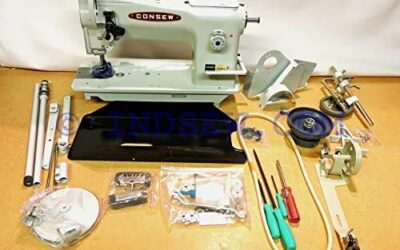
The Weaver Leathercraft 303 is an economical lockstitch sewing machine tailored for lighter leatherworking projects. It is ideal for beginners and hobbyists who need a reliable machine for sewing bags, personal accessories, and other items up to 1/4 inch thick. This machine comes complete with a stand and servo motor, offering a ready-to-use solution for your workshop.
Standout features include a speed reducer that lets you choose the right stitching speed, making it easier to handle detailed work and learn at your own pace. The oil bath system simplifies maintenance by eliminating the need to oil multiple points; you just check the minimum and maximum lines. A hands-free knee lift and reverse stitching capability add convenience and versatility to your sewing tasks.
The design is straightforward and built for light-duty use. The lockstitch mechanism produces precise, even stitches on leather, nylon, and textiles. Included accessories like thread, needles, bobbins, and a sewing light help you start right away. The servo motor provides smooth, quiet operation compared to traditional clutch motors.
Potential drawbacks include the 1/4 inch thickness limit, which may not suit heavy leather or multiple layers. The machine is only compatible with 110-115V outlets, so international users will need a voltage converter. As a new model, there are no customer reviews yet to confirm long-term reliability.
Overall, the Weaver Leathercraft 303 is a solid entry-level choice for light leather projects. Its combination of affordability, ease of use, and thoughtful features makes it a practical addition for beginners and detail-oriented crafters. If you work primarily with thin leather and textiles, this machine offers good value.
Buying Guide: What to Look for in a Sewing Machine for Leather Vest Patches
Piercing Power and Motor Strength
Sewing through multiple layers of leather plus a thick patch demands a motor that can deliver consistent torque. Look for a machine with a heavy-duty motor that maintains speed without overheating. The SINGER Heavy Duty models use enhanced piercing power motors that are designed for denim and canvas, making them excellent choices for leather as well.
A machine with a servo motor, like the VEVOR industrial unit, offers variable speed control and runs quietly even under load. This feature is crucial when you need to stitch slowly around patch edges without burning the fabric.
Stitch Quality and Versatility
For attaching patches, a straight stitch with adjustable length is usually sufficient. But having a few decorative stitches can add a neat border. All four products in this roundup offer multiple stitch applications. The SINGER 4452 provides 110 stitch applications, giving you room to experiment while still focusing on patch attachment.
Lockstitch machines, like the Weaver Leathercraft 303, create a tight, secure seam that won’t unravel when the vest sees wear. This is especially important for patches that will endure movement and washing. If you plan to sew patches on vests regularly, a lockstitch mechanism is a wise investment.
Frame Durability and Stability
Leather is dense, and the machine must be rigid enough to maintain needle alignment. A full metal frame prevents skip stitches and keeps the fabric feeding evenly. The SINGER 4411 and 4452 both have heavy-duty metal frames, while the VEVOR and Weaver models are built on industrial metal bases with adjustable tables for added stability.
For home sewers, a sturdy portable machine is fine. But if you are sewing multiple vests in a day, a machine with a table stand and knee lift (like the Weaver 303) reduces fatigue and improves accuracy. For more details on choosing heavy-duty equipment, visit our home and hobby section.
Ease of Use and Maintenance
Leather sewing creates lint and dust, so easy access to the bobbin area and a simple oiling system matter. Top drop-in bobbins with clear covers let you monitor thread supply at a glance. Machines with an automatic needle threader save time, especially when you break a needle on a tough patch.
The Weaver Leathercraft 303 features an oil bath system that eliminates the need to oil dozens of points separately. This makes maintenance straightforward for beginners. The VEVOR includes an LCD panel for precise speed control, which is helpful when stitching around curved patch edges.
Final Thoughts
After reviewing the top contenders for October 2026, our recommendation depends on your volume and budget. If you are a DIY hobbyist who patches a few vests a year, the SINGER 4452 offers the perfect balance of power and affordability, with enough stitch variety to handle both patches and general sewing. For someone who needs to patch vests more frequently or works with thicker leather jackets, the Weaver Leathercraft 303 provides industrial reliability in a compact format, complete with a knee lift and oil bath that make long sessions more comfortable. Both machines have proven their ability to sew patches on leather vests without fuss, so choose the one that matches your workspace and workload.
Frequently Asked Questions
Can a regular home sewing machine sew patches on leather?
Most regular machines cannot handle the thickness of leather plus a patch. You need a heavy-duty model with a strong motor and metal frame. The SINGER 4411 is one of the few home machines that can manage light to medium leather with the right needle.
What needle should I use to sew patches on a leather vest?
Use a leather needle (size 90/14 or 100/16) with a sharp point. For thick patches combined with leather, a size 110/18 may be necessary. Always check on a scrap piece first to ensure the machine feeds correctly.
Do I need an industrial sewing machine for leather vest patches?
Not necessarily. A heavy-duty home machine like the SINGER 4452 can sew single patches on vests with ease. But if you plan to sew many patches or work with very thick leather, an industrial model like the VEVOR or Weaver 303 will save time and reduce frustration.
How do I prevent skipped stitches when sewing leather patches?
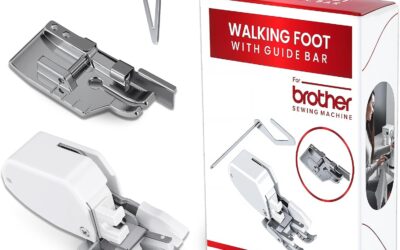
Use a new leather needle, reduce sewing speed, and ensure the presser foot pressure is adjusted for the thickness. A walking foot attachment also helps feed multiple layers evenly. For more tips on home gear, see our furnace filter guide (though not sewing related, it shows our approach to practical product reviews).
Write Your Review
No reviews yet. Be the first to share your experience!